

Spiritual Healing: What It Is, What It Isn’t, and Why People Turn to It
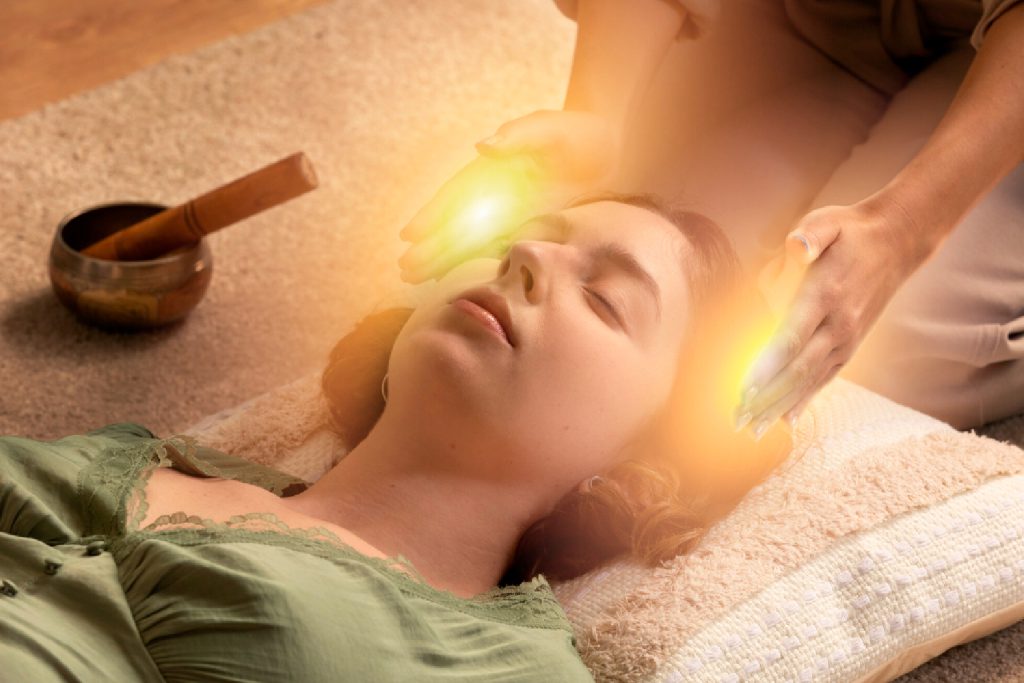
Spiritual healing doesn’t fit neatly into a textbook. For some, it’s prayer. For others, it’s breathwork, energy practice, or quiet time in nature. At its core, it’s the intention to restore a sense of balance—mind, body, and spirit—when life feels fragmented.
It’s not a replacement for medical care. It’s often used alongside it. And it works differently for everyone.
What Spiritual Healing Means to Different People
“Spirituality” is an umbrella term. It can be religious or secular, theistic or humanist, rooted in tradition or discovered through personal experience. Spiritual healing sits under that same umbrella.
Some see it as channeling energy. Others see it as focused intention, mindfulness, or connection to something larger than the self. The mechanism isn’t fully understood by science yet, and that’s okay. Many practices we value—like meditation, music, or community—were used for well-being long before we had studies to explain them.
The common thread: spiritual healing aims to address suffering at the level of meaning, not just symptoms.
Years ago, a client’s mother was critically ill and bedridden after a stroke. She was in a lot of distress. Her younger brother, who was caring for her, spent time in prayer, asking for her peace and release from suffering. Shortly after, she passed quietly.
In the months that followed, the brother experienced his own health challenges with his knees, requiring mobility support. He describes himself as someone who believes deeply in the interconnectedness of suffering and compassion. In his view, his prayer carried a cost. In mine, as his teacher, I see a man carrying grief, exhaustion from caregiving, and a powerful sense of responsibility—all of which can manifest physically.
I share this not to claim causation, but to show how people make meaning of hardship. For him, the idea of “taking on” his mother’s suffering gave his experience purpose. For others, that same situation might be understood through psychology, physiology, or faith. Spiritual healing makes space for that meaning-making.
How People Practice It
From my work as a spiritual guide, I’ve seen several approaches help people feel more whole:
1. Energy Practices: Kriya Yoga, breathwork, and sound healing are used to focus attention and calm the nervous system. The goal isn’t to “manipulate” energy like a switch, but tocreate conditions where the body can relax and the mind can settle.
2. Mindfulness and Meditation: Sitting quietly, watching the breath, or using guidedimagery helps people step out of reactive patterns. It’s not about emptying the mind. It’sabout noticing what’s there without judgment.
3. Prayer and Intention: Setting a clear intention—whether through prayer, journaling, orgroup ritual—can shift focus from helplessness to agency. It connects people to values,community, and hope.
4. Sound and Vibration: Singing bowls, drums, and voice work use rhythm and tone to induce relaxation. Many people report feeling calmer after a session. The research on sound and stress reduction is still growing, but the experience of relief is real for many.
5. Creative Expression: Art, music, and movement can release emotions that words can’t reach. I’ve seen children and adults alike use creative work to process grief, anxiety, and
stuck energy.

The Bigger Picture
Spiritual healing isn’t about ignoring the physical world. It’s about remembering that humans aren’t just bodies. We have thoughts, emotions, relationships, and a need for meaning. When those are out of balance, we feel it.
Some traditions talk about “chakras” or energy centers. Others talk about psychological patterns or spiritual wounds. Different language, similar goal: to restore flow—between thoughts and feelings, between self and others, between who you are and who you’re
becoming.
Spiritual healing is a complementary practice. It does not diagnose, treat, or cure disease. If you have a medical or mental health condition, please work with a licensed healthcare provider. Spiritual work can support your journey, but it shouldn’t replace professional care.
Is It For You?
If you’re feeling disconnected, burdened, or searching for deeper meaning, spiritual healing might offer a path. It’s not about believing the right thing. It’s about being willing to sit with yourself honestly and see what shifts.
If you’re curious, start small. Try 10 minutes of breathwork. Sit in silence. Journal an intention. Or reach out for guided support.
Ready to explore?
Hi, I’m Roma- a woman, an X -banker, a meditation conductor, Kriya Yoga Teacher, a Sound Healer, Breathwork Practitioner, Wisdom Coach and Counsellor.I support you in reconnecting with your inner wisdom.
Spiritual Healing: What It Is, What It Isn’t, and Why People Turn to It
It’s not a replacement for medical care. It’s often used alongside it. And it works differently for everyone.
What Spiritual Healing Means to Different People “Spirituality” is an umbrella term. It can be religious or secular, theistic or humanist, rooted in tradition or discovered through personal experience. Spiritual healing sits under that same umbrella.
Some see it as channeling energy. Others see it as focused intention, mindfulness, or connection to something larger than the self. The mechanism isn’t fully understood by science yet, and that’s okay. Many practices we value—like meditation, music, or community—were used for well-being long before we had studies to explain them.
The common thread: spiritual healing aims to address suffering at the level of meaning, not just symptoms.
A Story That Stays With Me
Years ago, a client’s mother was critically ill and bedridden after a stroke. She was in a lot of distress. Her younger brother, who was caring for her, spent time in prayer, asking for her peace and release from suffering. Shortly after, she passed quietly.
In the months that followed, the brother experienced his own health challenges with his
knees, requiring mobility support. He describes himself as someone who believes deeply in the interconnectedness of suffering and compassion. In his view, his prayer carried a cost. In mine, as his teacher, I see a man carrying grief, exhaustion from caregiving, and a powerful sense of responsibility—all of which can manifest physically.
I share this not to claim causation, but to show how people make meaning of hardship. For him, the idea of “taking on” his mother’s suffering gave his experience purpose. For others, that same situation might be understood through psychology, physiology, or faith. Spiritual healing makes space for that meaning-making.
How People Practice It
From my work as a spiritual guide, I’ve seen several approaches help people feel more whole:
1. Energy Practices: Kriya Yoga, breathwork, and sound healing are used to focus attention and calm the nervous system. The goal isn’t to “manipulate” energy like a switch, but tocreate conditions where the body can relax and the mind can settle.
2. Mindfulness and Meditation: Sitting quietly, watching the breath, or using guidedimagery helps people step out of reactive patterns. It’s not about emptying the mind. It’sabout noticing what’s there without judgment.
3. Prayer and Intention: Setting a clear intention—whether through prayer, journaling, orgroup ritual—can shift focus from helplessness to agency. It connects people to values,community, and hope.
4. Sound and Vibration: Singing bowls, drums, and voice work use rhythm and tone to induce relaxation. Many people report feeling calmer after a session. The research on sound and stress reduction is still growing, but the experience of relief is real for many.
5. Creative Expression: Art, music, and movement can release emotions that words can’t reach. I’ve seen children and adults alike use creative work to process grief, anxiety, and
stuck energy.
The Bigger Picture
Spiritual healing isn’t about ignoring the physical world. It’s about remembering that humans aren’t just bodies. We have thoughts, emotions, relationships, and a need for meaning. When those are out of balance, we feel it.
Some traditions talk about “chakras” or energy centers. Others talk about psychological patterns or spiritual wounds. Different language, similar goal: to restore flow—between thoughts and feelings, between self and others, between who you are and who you’re
becoming.
Spiritual healing is a complementary practice. It does not diagnose, treat, or cure disease. If you have a medical or mental health condition, please work with a licensed healthcare provider. Spiritual work can support your journey, but it shouldn’t replace professional care.
Is It For You?
If you’re feeling disconnected, burdened, or searching for deeper meaning, spiritual healing might offer a path. It’s not about believing the right thing. It’s about being willing to sit with yourself honestly and see what shifts.
If you’re curious, start small. Try 10 minutes of breathwork. Sit in silence. Journal an intention. Or reach out for guided support.
Ready to explore?
Hi, I’m Roma- a woman, an X -banker, a meditation conductor, Kriya Yoga Teacher, a Sound Healer, Breathwork Practitioner, Wisdom Coach and Counsellor.I support you in reconnecting with your inner wisdom.