
Beyond the Quick Fix: Building Daily Habits for Whole-Person Well-Being.
I was making tea last evening when a client’s words came back to me: “No matter what I walked in with, I walked out feeling like I could handle the day.” That stuck with me.Because real well-being isn’t just about fixing what’s broken. It’s about how you feel when you step back into your life.
If you’ve ever left a doctor’s appointment or therapy session thinking, “That helped, but something still feels off,” you’re not alone. Conventional care is essential for diagnosing and treating illness. Holistic approaches can sit alongside it, focusing on the daily habits and mind-body connection that keep you balanced between appointments.
What “Holistic” Actually Means in Real Life
Holistic doesn’t mean rejecting medicine. It means looking at the whole picture: how stressshows up in your shoulders, how poor sleep messes with your mood, how emotional tension affects your digestion. Small, daily inputs across mind, body, and spirit add up.
It’s not one-size-fits-all. For one person it’s yoga and breathwork. For another, it’sjournaling, walking, and talking things through with a counselor. The point is personalization, not a rigid protocol.

Everyday Examples, Not Grand Gestures
Holistic well-being often shows up in small, unglamorous moments:
Morning: Instead of grabbing your phone first thing, you take 3 slow breaths before getting out of bed. Your nervous system starts the day calmer.
Midday: You notice you’re clenching your jaw during a stressful call. You unclench, roll your shoulders, and take a sip of water. That’s body awareness in action.
Evening: You swap 10 minutes of scrolling for 10 minutes of quiet music or stretching. Your
mind gets a signal that the day is winding down.
These aren’t cures. They’re practices that support your system so you’re less likely to burn
out.

The Upside – and the Limits
What works well:
- Whole-person view: Looks at lifestyle, stress, and mindset alongside physical
symptoms. - Gentler tools: Breathwork, movement, sound, and counseling can support relaxation and self-awareness with low side effects.
- Personal agency: You learn practices you can use daily, not just when you’re in a
clinic.
What to keep in mind:
- Holistic methods support well-being; they don’t replace medical diagnosis or
treatment. - Results take time and consistency. There’s no 3-day detox that fixes years of stress.
- Trauma and serious mental health conditions need professional care. Holistic
practices can complement therapy, not substitute for it.
Healing from trauma, for example, often requires working with a trained therapist. Holistic tools like grounding breath or movement can help you feel safer in your body between
sessions, but the core work belongs in a therapeutic setting.
My Take After Years of Exploring
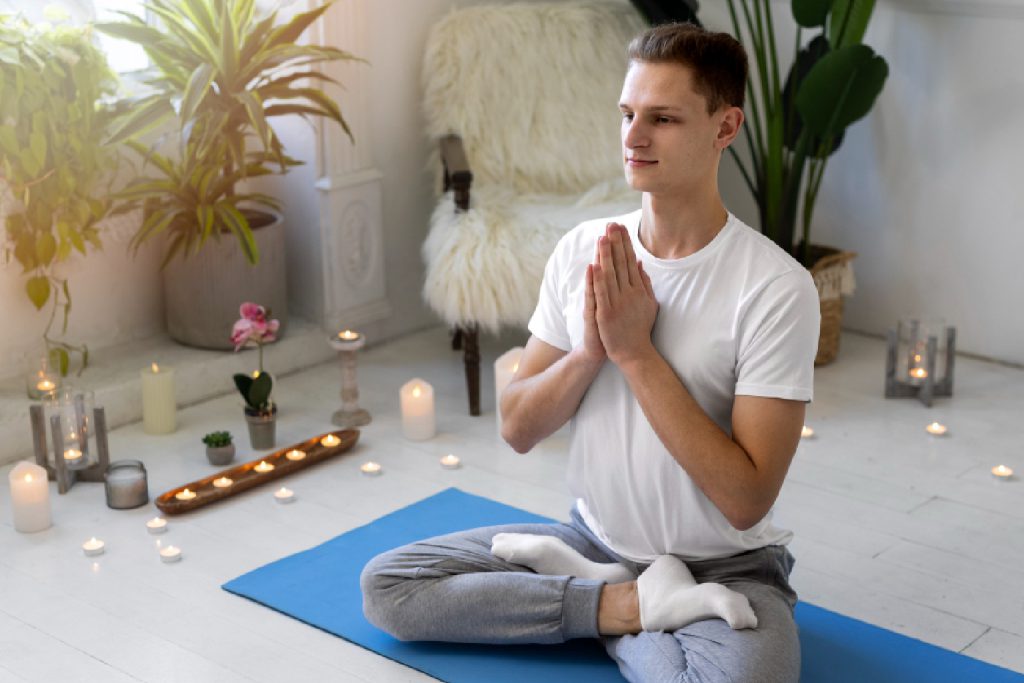
I’ve tried many approaches – both conventional and complementary. What I’ve learned is that healing is personal and non-linear. Some weeks it’s meditation. Other weeks it’s just drinking water and going to bed on time. The goal isn’t perfection. It’s building a toolkit you
can reach for on ordinary, messy days.
Want to Build Your Own Toolkit?
If you’re looking for practical ways to feel more grounded, clear, and at ease in daily life, I guide people through:
- Breath and relaxation practices you can use in 5 minutes.
- Mind-body techniques to manage stress.
- Supportive counseling to explore what’s keeping you stuck.
Hi, I’m Roma- a woman, an X -banker, a meditation conductor, Kriya Yoga Teacher, a Sound Healer, Breathwork Practitioner, Wisdom Coach and Counsellor.I support you in reconnecting with your inner wisdom.
Beyond the Quick Fix: Building Daily Habits for Whole-Person Well-Being.
I was making tea last evening when a client’s words came back to me: “No matter what I walked in with, I walked out feeling like I could handle the day.” That stuck with me.Because real well-being isn’t just about fixing what’s broken. It’s about how you feel when you step back into your life.
If you’ve ever left a doctor’s appointment or therapy session thinking, “That helped, but something still feels off,” you’re not alone. Conventional care is essential for diagnosing and treating illness. Holistic approaches can sit alongside it, focusing on the daily habits and mind-body connection that keep you balanced between appointments.
What “Holistic” Actually Means in Real Life
Holistic doesn’t mean rejecting medicine. It means looking at the whole picture: how stressshows up in your shoulders, how poor sleep messes with your mood, how emotional tension affects your digestion. Small, daily inputs across mind, body, and spirit add up.
It’s not one-size-fits-all. For one person it’s yoga and breathwork. For another, it’sjournaling, walking, and talking things through with a counselor. The point is personalization, not a rigid protocol.
Everyday Examples, Not Grand Gestures
Holistic well-being often shows up in small, unglamorous moments:
Morning: Instead of grabbing your phone first thing, you take 3 slow breaths before getting out of bed. Your nervous system starts the day calmer.
Midday: You notice you’re clenching your jaw during a stressful call. You unclench, roll your shoulders, and take a sip of water. That’s body awareness in action.
Evening: You swap 10 minutes of scrolling for 10 minutes of quiet music or stretching. Your
mind gets a signal that the day is winding down.
These aren’t cures. They’re practices that support your system so you’re less likely to burn
out.
The Upside – and the Limits
What works well:
- Whole-person view: Looks at lifestyle, stress, and mindset alongside physical
symptoms. - Gentler tools: Breathwork, movement, sound, and counseling can support relaxation and self-awareness with low side effects.
- Personal agency: You learn practices you can use daily, not just when you’re in a
clinic.
What to keep in mind:
- Holistic methods support well-being; they don’t replace medical diagnosis or
treatment. - Results take time and consistency. There’s no 3-day detox that fixes years of stress.
- Trauma and serious mental health conditions need professional care. Holistic
practices can complement therapy, not substitute for it.
Healing from trauma, for example, often requires working with a trained therapist. Holistic tools like grounding breath or movement can help you feel safer in your body between
sessions, but the core work belongs in a therapeutic setting.
- Breath and relaxation practices you can use in 5 minutes.
- Mind-body techniques to manage stress.
- Supportive counseling to explore what’s keeping you stuck.
Hi, I’m Roma- a woman, an X -banker, a meditation conductor, Kriya Yoga Teacher, a Sound Healer, Breathwork Practitioner, Wisdom Coach and Counsellor.I support you in reconnecting with your inner wisdom.